
Werther and the Children
The Sorrows of Young WertherThis flow traces Werther's affection for children as a source of belonging and an ethical standard that contrasts with adult control.
increasing Bearing strength in each event
 decreasing
Bearing strength in each eventdecreasingA First Sketch
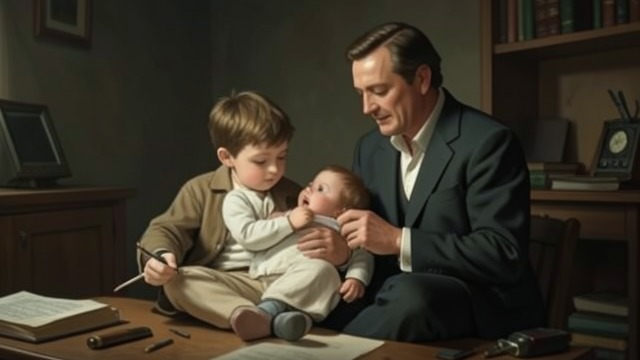
A Scene of Care
Brotherly tenderness
Werther finds a young boy holding a baby and sketches the pair without adding imagined details. The scene confirms his belief that direct attention to nature and ordinary life can produce truthful art.
A moral impression
The children's closeness moves him because it appears free of calculation. Their behavior becomes an ideal against which he measures the conventions of adults.
A Mother's Errand
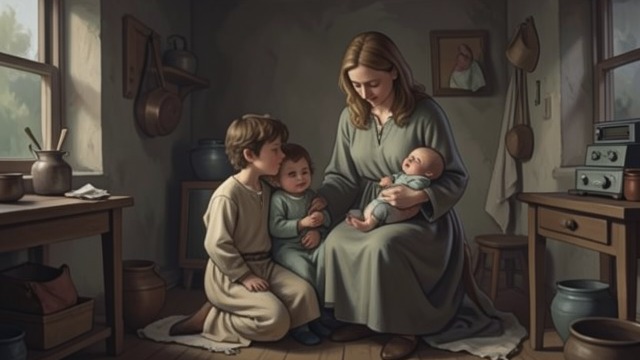
Everyday Responsibility
Work and tenderness
The children's mother explains that she left the baby in the older child's care while she went to town. Werther learns of the family's modest needs and the absent father's journey.
Sympathy in action
He gives the children coins and visits them again. Their household provides a concrete, human counterpoint to his abstract reflections on happiness and suffering.
A Doctor's Rebuke
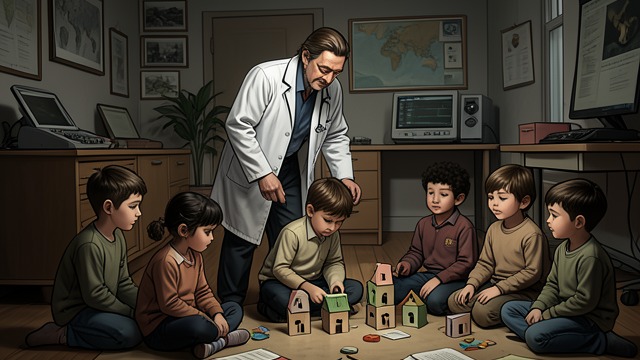
Play Under Judgment
Werther joins the children
A doctor finds Werther on the floor playing with Lotte's children and considers the behavior undignified. Werther ignores the disapproval and continues rebuilding their card houses.
A difference in values
The incident exposes a social ideal that treats childlike play as beneath adult status. Werther instead sees children's natural energies as worthy of respect and attention.
The Lesson of Innocence
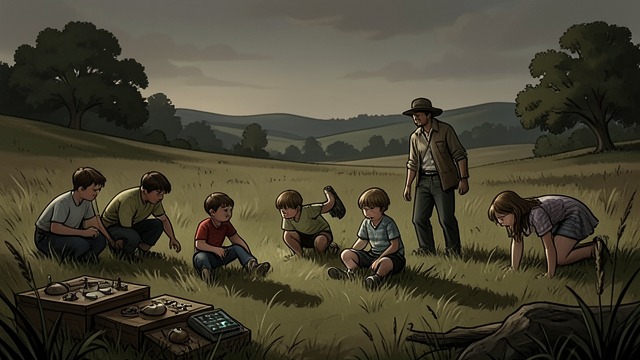
Children as Models
Independent feeling
Werther argues that children possess the beginnings of qualities adults later value, yet adults deny them their own will. His reflection challenges the assumption that age automatically confers moral authority.
A personal ethic
The children become more than an object of affection: they represent a standard of openness and freedom. Werther's ideal is humane, but it also exposes his tendency to elevate feeling above practical limits.
Christmas Gifts
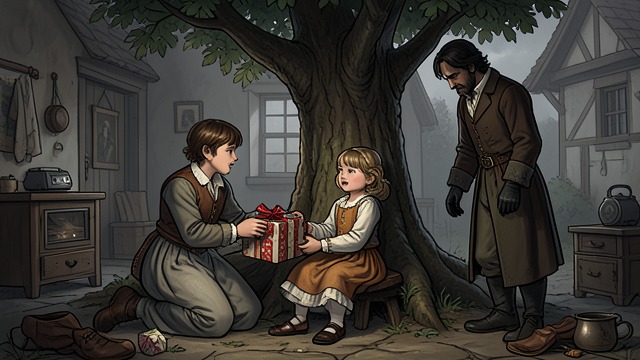
A Farewell to the Children
Their excited plans
The children tell Werther about the gifts they will receive from Lotte at Christmas and mention New Year's wishes they have prepared for him. Their affection briefly interrupts his suicidal resolve.
A final separation
Werther gives them presents and rides away in tears. The scene underscores what his death will take from the household, even as his letters frame the act as a private sacrifice.
May 26, at Walheim
May 27, at the village inn
June 29, at Lotte's house
June 29, during Werther's reflection afterward
December 21, before Werther's death
